Mahesh Kumar Basnet
Reform-Oriented Leader • Advocate for Ethical Foreign Employment • General Secretary, NAFEA
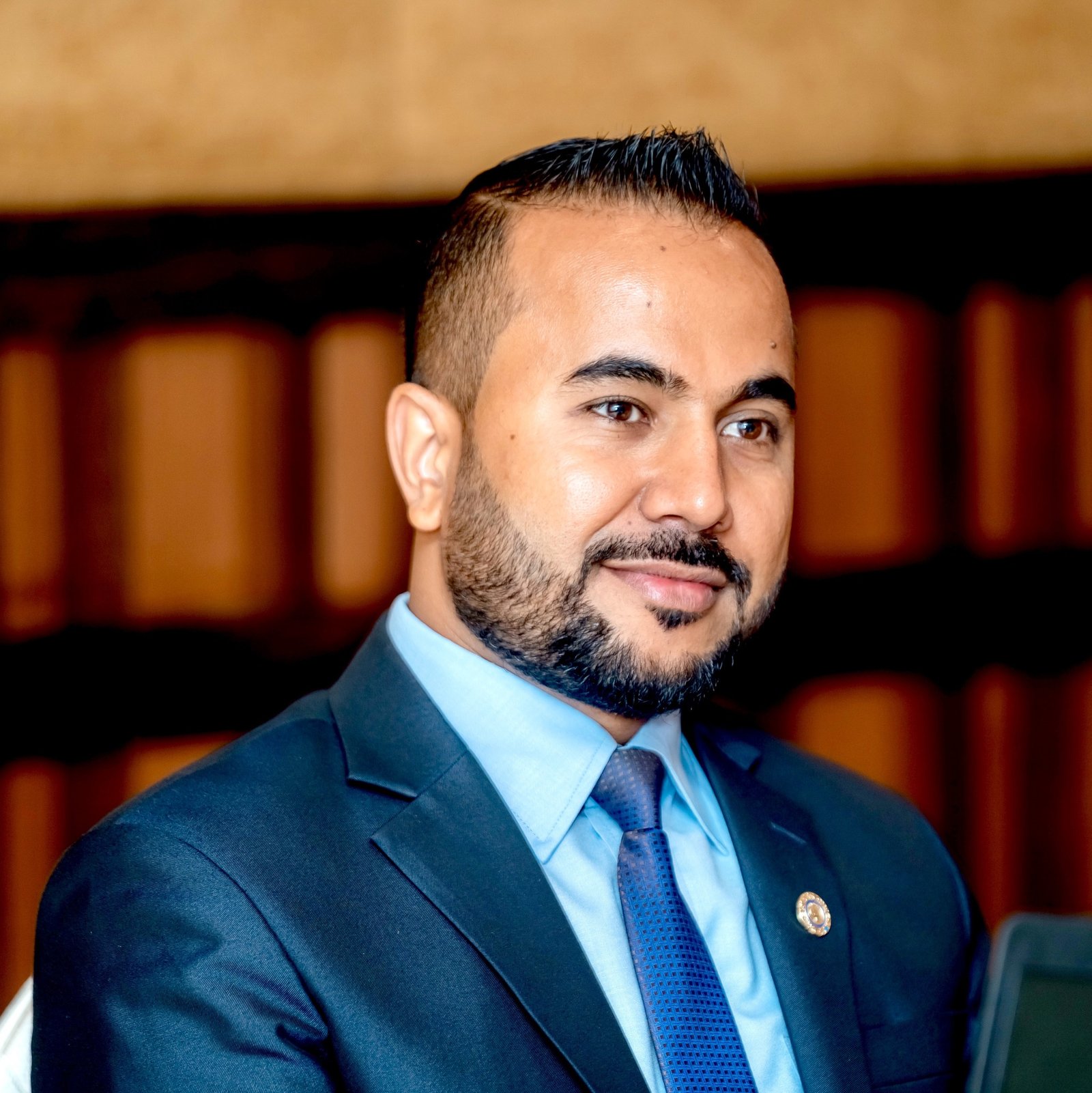
Biography
A principled, reform-oriented leader working to make foreign employment fairer, more transparent, and more accountable for Nepali migrant workers.
Mahesh Kumar Basnet is a nationally recognized leader in Nepal’s foreign employment sector, known for his reform-driven mindset, principled leadership, and unwavering commitment to protecting the dignity and rights of Nepali migrant workers.
As the General Secretary of the Nepal Association of Foreign Employment Agencies (NAFEA), he operates at the intersection of policy, business, and social responsibility. He represents the collective voice of licensed recruitment agencies while consistently advocating for systemic reforms that make foreign employment fairer, more transparent, and more accountable. His leadership reflects a rare balance— defending legitimate business interests while firmly opposing exploitation, syndicates, and unethical practices.
Mahesh is widely respected for his ability to engage constructively with government institutions, lawmakers, diplomatic missions, and international stakeholders. He has played an active role in policy dialogue on critical issues such as ethical recruitment, cost regulation, grievance redress mechanisms, digital governance, and labor-market transparency. His leadership emphasizes institutional credibility over individual gain and long-term reform over short-term convenience.
Beyond policy advocacy, he also serves as the Chairman of Global Rising Placement Pvt. Ltd., a licensed recruitment agency. This role provides him with firsthand operational insight into the real challenges faced by recruiters, employers, and migrant workers. This dual experience— both at the policy table and on the ground—has shaped him into a pragmatic yet visionary leader who believes reforms must be realistic, inclusive, and implementable.
With an academic background in Journalism and Business Administration, Mahesh brings clarity of thought, strong communication skills, and sound business management principles to his leadership. He believes leadership is not about authority, but about responsibility—taking difficult positions when necessary, speaking truth to power, and standing firmly on ethical principles.
He is also deeply engaged in social leadership. He has served as Past President of the Rotary Club of Gongabu and continues to support initiatives related to health, education, and social welfare—particularly those impacting migrant workers and their families.
Mahesh Kumar Basnet represents a new generation of leadership in Nepal’s foreign employment sector: principled, reform-oriented, institution-first, and people-centered.
Vision
A clear direction for a professional, ethical, and technology-driven foreign employment ecosystem.
To transform Nepal’s foreign employment sector into a professional, ethical, transparent, and technology-driven system that protects migrant workers’ dignity while ensuring sustainable growth for legitimate businesses and contributing meaningfully to the national economy.
Mission
Practical commitments to raise standards, protect workers, and modernize systems.
To strengthen institutions governing foreign employment through policy reform, ethical standards, and accountability.
To protect the rights, safety, and dignity of Nepali migrant workers at every stage of the migration cycle.
To promote ethical and professional recruitment practices by eliminating syndicates, exploitation, and irregular systems.
To modernize the foreign employment ecosystem through digitalization, transparency, and data-driven governance.
To build constructive partnerships among government, private sector, foreign employers, embassies, and international organizations.
To empower recruitment agencies to operate responsibly, competitively, and sustainably within a fair regulatory framework.
To ensure foreign employment becomes not just a means of income, but a pathway to national development and social justice.